You need Wichita homeowners insurance that maintains pace with escalating reconstruction costs and serious wind-hail events. Select replacement cost coverage for your property and personal items, add building code protection, and schedule precious belongings. Right-size deductibles, confirm wind-hail percentage triggers, and record roof condition; Class 4 shingles or metal roofing can qualify for substantial savings. Align Coverage A/B/C with local rebuilding costs, maintain inventories, and package insurance for better rates. Evaluate A-rated carriers and independent agents based on claims history and severe weather handling. Keep going to learn how to secure these protections.
Key Takeaways
- Select insurance providers with a strong reputation for handling claims, quick disaster response, and established local contractors for handling the area's severe weather events.
- Assess property coverage each year; use regional rebuilding costs to keep pace with increasing labor and material costs.
- Select replacement cost coverage on your home and possessions; remember to include building code coverage and schedule expensive belongings.
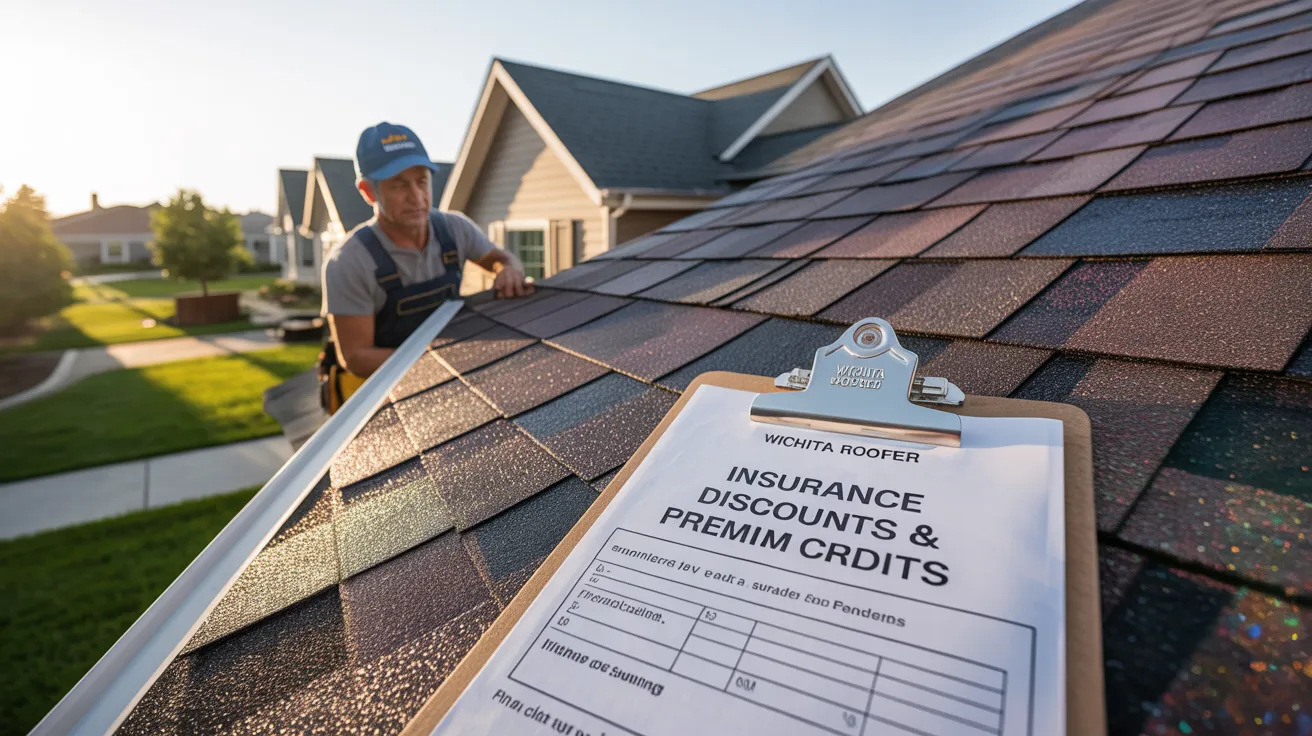
- Manage wind‑hail risk with Class 4 shingles, strengthened garage doors, and documented roof maintenance for premium discounts.
- Configure liability protection at $300k-$500k (consider adding an umbrella policy); bundle auto and home coverage and install monitored alarm systems for reliable discounts.
Understanding Wichita's Housing Market and Your Insurance Needs
While Wichita's housing market shifts, your homeowners insurance policy needs to adapt with property values, building expenses, and area risks. You need to watch market dynamics because fluctuating sale prices, material availability, and contractor rates immediately impact your home's replacement value. If construction expenses rise, your underinsurance risk expands; on the other hand, if costs decrease, you can reduce premiums without sacrificing security.
Assess property limits, replacement value factors, and inflation safeguards annually. Analyze insurers' evaluation systems and request new construction cost assessments linked with regional workforce and supply costs. Reevaluate deductibles to harmonize coverage costs with liquid assets. Monitor local developments-renovation booms, crime patterns, and weather exposures-to modify endorsements and coverage triggers. Arrange semiannual check-ins so your coverage stays current, effective, and justifiable.
Key Insurance Coverages for Wichita Homeowners
Protection planning starts with these crucial components: structure coverage for house restoration, coverage for additional structures like garages and fencing, personal property coverage for belongings, loss of use coverage for temporary living expenses, personal liability for third-party injuries or damage, and medical payments coverage for guest injuries. Always configure dwelling coverage limits based on current replacement cost, rather than property value, and extend protection with ordinance or law coverage for building code updates. Remember to separately cover valuable items to avoid personal property limits constraints.
Opt for replacement cost insurance, rather than actual cash value, for both your structure and contents. Match liability protection with your total assets and think about an umbrella plan. Strengthen your coverage approach with household emergency readiness: catalog your possessions, keep inventories updated, and implement a seasonal maintenance plan to reduce claims and get better rates.
Severe Weather Exposure in Kansas's South-Central Region
Year after year, South-Central Kansas subjects your home and wallet to harsh conditions with severe hail, high-velocity winds, and tornadoes. You experience regular spring supercells, wind bursts exceeding 60 mph, and hailstones that damage shingles, dent gutters, and fracture windows. Focus on hail preparedness: impact-resistant roofing, strengthened garage doors, fastened outdoor equipment, and documented photos of exterior surfaces. Trim trees, secure trampolines, and check sump pump function to counter wind-driven rain.
When sirens sound, implement these tested tornado safety measures: innermost room on the ground level, protective headgear and robust footwear, and an air horn or whistle for alerting rescuers. Have ready a preparedness pack with policy numbers, photos, chargers, and medications. Verify your insurer's claim hotline, preferred contractors, temporary living arrangements, and waste clearance procedures prior to severe weather.
Comparing Replacement Cost and Actual Cash Value: Which Option Is Best
When it comes to your Wichita home policy, few decisions affect your claim check more than choosing Replacement Cost (RC) or Actual Cash Value (ACV). RC enables you to rebuild or replace with new materials of similar type and quality, without factoring in depreciation. Alternatively, ACV factors in depreciation, requiring you to cover the gap. When comparing policies, RC generally comes at a higher price but better protects your wallet following a claim.
Consider real-world examples: a $18,000 roof with 15 years of wear. Replacement Cost coverage pays for full replacement minus your deductible, but ACV could only pay $9,000 assuming 50% depreciation. For interior water damage, RC pays for brand new cabinets and flooring at present-day rates; ACV provides their depreciated value. Choose RC if you need reliable replacement coverage; consider ACV if the premium savings justify the coverage gaps.
Deductibles, Wind-Hail Endorsements, and Separate Storm Deductibles
Since Wichita weather can change rapidly, your deductible setup matters as much as your coverage limit. You'll generally select a flat-dollar deductible for most claims, but wind-hail endorsements commonly carry separate, percentage-based deductibles tied to your dwelling value. Know your policy triggers: some insurance providers implement the wind-hail deductible exclusively when a named peril or specific meteorological threshold occurs; others implement it for any wind-driven loss. Review storm exclusions carefully-cosmetic roof damage, matching issues, or wear-and-tear may be carved out, shifting more cost to you. Confirm whether the separate storm deductible is calculated per event or per occurrence year, and how it interacts with claim frequency surcharges. Select a deductible you can pay today without jeopardizing future repairs.
Understanding Coverage Limits: Dwelling, Other Structures, and Personal Property
Before you even start comparing premiums, you need to establish proper coverage amounts for every insurance category: your main dwelling (A), additional structures (B), and personal belongings (C). First, estimate the true replacement cost for your Wichita home, not the market value. Utilize a rebuild cost calculator and adjust it when completing renovations. For Coverage B, assess the combined area and construction materials of separate structures, boundary fencing, and outbuildings; raise coverage levels if premium materials raise rebuilding expenses.
To prevent coverage gaps in Coverage C, select replacement value protection for belongings and carefully document your valuables. Use detailed documentation approaches such as photos of each room, recording of serial numbers, and receipt records stored in cloud storage. Schedule precious items that exceed standard sublimits. Evaluate coverage limits each year to account for contractor pricing, inflation and recent purchases. Coordinate policy endorsements from the start to guarantee limits and terms complement each other.
Liability and Medical Payments Considerations for Kansas Homes
It's important to establish personal liability limits high enough to safeguard your assets from legal claims stemming from property damage or injuries you're liable for. Combine this with medical payments coverage that handles small, no-fault medical bills for visitors who get hurt on your premises, helping you resolve incidents quickly. We'll identify Kansas-appropriate limits and integration with umbrella policies so you're properly secured, not guesswork.
Individual Liability Thresholds
While property coverage protects your home's structure, liability coverage defends your assets when accidents or damages happen on your premises. Select insurance limits that align with your financial situation and exposures: home value, bank accounts, future earnings, and lifestyle risks. Having pets, pool ownership, vacation rentals, or hosting events increase the likelihood of personal injuries or expensive lawsuits. Start with a minimum of $300,000, but $500,000 offers more security in Wichita's litigation climate. If your assets exceed your policy limits, enhance your coverage with umbrella policy of $1-5 million or more; these policies are affordable for the protection and covers attorney fees, compensation, and judicial awards. Evaluate property documents, bank records, and legal documents each year. Modify limits after home improvements, new purchases, or life changes to maintain complete protection.
Medical Payment Insurance
For mere pennies, you can have peace of mind with Medical Payments to Others ("Med Pay") included in a Wichita homeowners insurance plan. This coverage handles customary medical costs if a guest has an accident at your home-regardless of fault. You'll resolve minor injuries quickly, minimize stress, and often prevent lawsuits. Select your coverage limits wisely; $1,000 is typical, but $5,000-$10,000 provides better protection when ER visits, X-rays, or urgent care stack up.
Consider insurance claim deadlines. Notify your insurer immediately, record what occurred, gather statements from witnesses, and keep all itemized bills. Your insurance company pays for eligible expenses like ambulance services, stitches, and medical assessments, but doesn't cover people in your home or regular checkups. Coordinate Med Pay with your liability insurance to shield yourself from bigger expenses, and adjust limits after home improvements, getting new pets, or frequent entertaining.
Money-Saving Strategies Without Compromising Security
Extend your insurance costs further by utilizing smart discounts and combining policies without compromising essential coverage. Initiate with a home-auto bundle to unlock bundling savings. Incorporate smart device benefits: security systems, leak sensors, and Smart thermostats that minimize hazards and show proactive maintenance. Ask about accident-free and eco-friendly billing savings, full payment incentives, and Loyalty rewards for loyal policyholders.
Strategically adjust your deductible to decrease premium costs, but establish an emergency fund that matches the new deductible. Strengthen protection for essential coverage - replacement cost coverage for your home and possessions - then remove additional features you don't require. Confirm each discount appears on your declarations page and review each year for overlooked savings. Compare quotes from different insurers, but make fair comparisons: the same protection levels, endorsements, and loss-settlement terms. You'll reduce costs without compromising protection.
Understanding the Effect of Roof Age, Materials, and Upgrades on Insurance Rates
Older roofs typically result in higher premiums, as providers calculate the risks of leaks, compromised wind resistance, and shorter remaining life. Cut down on expenses by opting for high-quality materials such as tile, metal, or impact-resistant shingles rated for Wichita's common hail and high winds. Upon roof renovation, keep documentation of permits, manufacturer ratings, and installation dates to release credits and maximize savings.
The Impact of Roof Age on Insurance Premiums
Despite having a structurally sound house, your old roof might secretly increase your Wichita homeowners insurance premium higher. Carriers carefully evaluate roof condition because worn shingles break down, bend, and drop particles, allowing water to penetrate the roof structure. This deterioration increases insurance claims from water intrusion, internal destruction, and fungal growth. Carriers price that risk, so you experience rate increases as your roof approaches the end of its lifespan.
Insurance assessors often highlight airflow problems. Poor attic airflow results in excessive heat buildup and ice dam formation, which shortens shingle lifespan and escalates loss severity. You can counter these concerns with verified maintenance practices: update compromised flashing, reseal roof penetrations, maintain clean gutters, and document roof condition after severe weather. Provide verification including receipts, images, and roof assessments. This proactive approach shows lower loss potential and aids in obtaining better insurance rates.
Understanding Material Durability
These maintenance practices become even more crucial when integrated with long-lasting materials. Insurance providers price your policy by analyzing roof performance over time, so they carefully examine material durability, water resistance, and material compatibility. Once your roofing components work as a unified system, you minimize potential failure points and claims risk, which can lower insurance costs.
You should keep track of maintenance records and maintain records for inspections, sealant refreshes, and flashing work. Insurance carriers view these documents as proof that you actively address wear, versus simply reacting to it. Furthermore, they review how well your roof manages Wichita's extreme weather patterns; high-quality waterproofing and strength ratings signal fewer leaks and mold losses. Finally, material compatibility is key: mixing metals with mismatched substrates can accelerate corrosion, while compatible components maintain integrity and regulate your insurance rates.
Savings From Roof Upgrades
Replacing your roof is one of the fastest methods to decrease Wichita home insurance rates because insurers evaluate risk based on durability, age, and impact rating. Updated roofs lower loss frequency, so carriers offer benefits with lower premium costs and budget-friendly wind/hail deductibles. Choose Class 4 impact-resistant shingles to minimize hail damage; many insurance companies extend 10-30% reductions. Metal and concrete tile roofing typically earn higher reductions than traditional 3-tab asphalt shingles.
Speak to your roofing contractor about energy efficient shingles that decrease attic temps and may qualify for tax credit benefits, stacking utility cost reductions with insurance deductions. Document permits, manufacturer certifications, and installation dates, then submit them to your insurance agent. Add secondary water barriers, drip edge, and storm-resistant shingle starters to further reduce risk and improve your renewal rates.
Analyzing Local Insurance Companies and Independent Representatives across Wichita
Navigate through the options by comparing Wichita's home insurance options between local insurers and independent agents. Local providers generally deliver quick claims resolution, dedicated adjusters, and comprehensive neighborhood expertise. You'll experience responsive service in response to severe weather and specialized endorsements for aging houses near storm-prone regions. Their community involvement fosters trust, but policy selections can be limited and premiums less flexible.
Insurance professionals partner with several highly-rated insurers for your benefit. Their extensive network allow you to compare key elements including weather-related protection, roof surfacing credits, reconstruction value options, and building code protection in one comprehensive review. You'll gain advantages with rates and protection choices, but service levels differ between providers. Be sure to inquire about catastrophe response times, roof coverage specifications, and insurance claim assistance. Then evaluate total premium costs, claim handling reputation, and upgrade benefits—pick the agency that shows both expertise and reliability.
Popular Questions
Does Your Wichita Insurance Policy Include Coverage for Airbnb and VRBO Rentals?
Yes, but typical home insurance coverage typically don't include business activity, so it's necessary to get an endorsement or a dedicated short‑term rental policy. Request coverage that covers protection for liability, liquor service, rental income loss, and property damage. Verify guidelines for guest screening, local ordinances, and property manager compliance. Document safety features, set up electronic access controls, and track property upkeep. Review insurance limitations for events and animal policies. Obtain written documentation prior to advertising.
Is Sump Pump or Sewer Backup Coverage Included Automatically?
No, they're not usually part of the default coverage. It's important to obtain a special endorsement for sump backup or pump failure. Traditional coverage typically excludes water backing up through sewers or drains and water from failed sump pumps. Be sure to include water backup coverage, pick suitable coverage limits, and verify the coverage details, covering activation requirements, waiting periods, and restrictions. Take action now, as insurance providers may limit endorsement availability when there's a history of claims or severe weather anticipated.
Can I Get Insurance for Detached Home Offices and Studios with Business Equipment?
It's possible to get insurance for detached home offices or studios containing business equipment. Standard homeowners policies limit business property, so you'll need to add endorsements. Add an equipment floater for valuable tools and increase business property coverage limits for items both on and off the premises. For client visits to your remote workspace, liability coverage or a home-based business policy is recommended. Verify your protection against accidental damage, theft, and income loss, and document serial numbers, receipts, and photos for smooth claims.
How Are Claims Handled After Simultaneous Hail and Flood Events?
You need to process individual claims for hail and flood events, as standard policies don't cover flood. Begin the claims process right away, document all damage by type, and take steps to prevent additional damage. Your insurance adjusters will investigate simultaneously, apportion repair costs, and process individual deductibles for each claim. If you maintain flood coverage through NFIP or private carriers, that copyright manages flood damage claims. Anticipate different settlement timelines: hail damage usually settles within weeks; flood check here claims may take longer, based on inspections, proof-of-loss documentation and construction estimates.
Will Insurance Pay for Code Upgrades Required by Wichita Building Ordinances?
Coverage applies when you maintain Ordinance or Law coverage. Standard homeowners policies don't automatically cover building code upgrades. Include this coverage to safeguard against demolition, elevated renovation costs, and disposal of unaffected sections required by Wichita's building code. Verify sublimits and overall policy limits, as code compliance expenses may rapidly surpass basic coverage. Work with your agent to coordinate limits with your home's age, materials, and risk profile, and verify what's not covered prior to filing.
Concluding Points
You have options when it comes to Wichita insurance coverage, but random decisions won't cut it. Make sure to secure fundamental coverages, select replacement cost instead of ACV, and set smart deductibles-specifically for wind and hail damage. Carefully evaluate roof integrity and materials like an expert evaluation, because severe weather shows no mercy. Consider bundling for discounts, but confirm protection limits align with today's lawsuit environment. Investigate local companies and independent agents, then take action. The perfect time to optimize your policy was in the past, but today is the next best option.